Prāṇāyāma for Beginners: The Breath as Bridge
By Renu Singh, Co-Founder & Course Director · Updated August 2026 · 5 min read
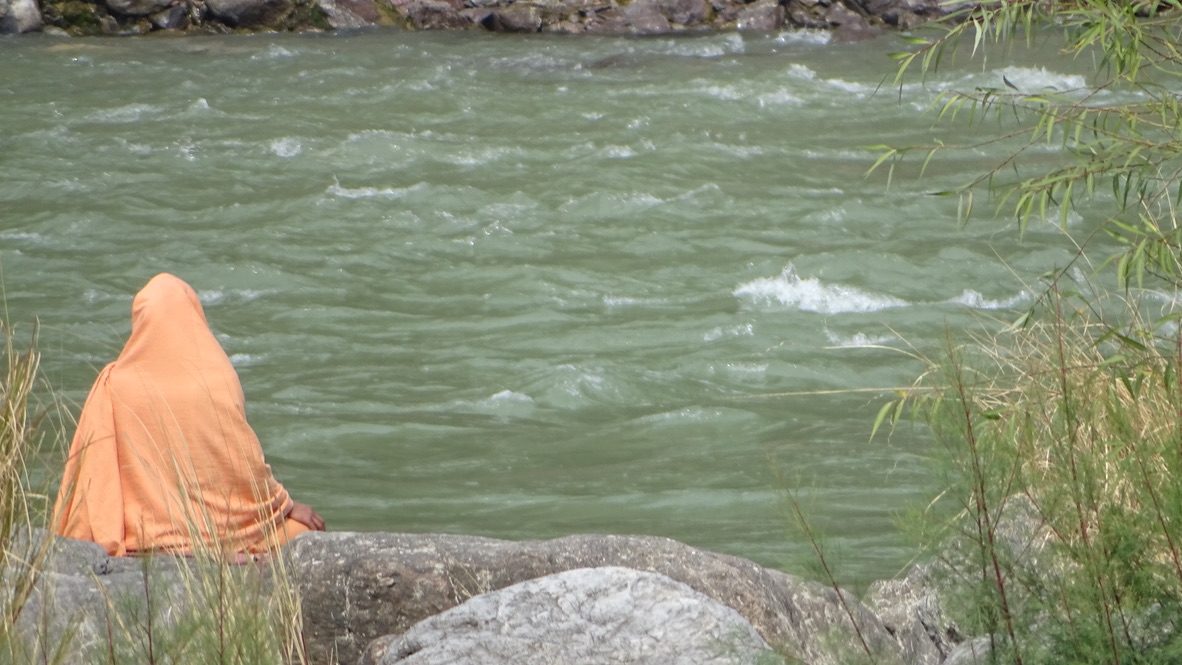
Namaste. In twenty-five years of teaching, I have seen one truth repeat itself endlessly: students chase advanced postures for years, yet the practice that transforms them in weeks is the one they overlooked — the breath. In our tradition, prāṇāyāma is not a supplement to yoga. It is the bridge between body and mind, and no one crosses to meditation without it.
Why breath comes before advanced āsana
The old texts are unambiguous. You have felt it yourself — fear shortens the breath, peace lengthens it. Prāṇāyāma simply works this door from the other side: by regulating the breath deliberately, we regulate the mind. This is why traditional schools place breath work early each morning, before āsana — and why a student with one year of sincere prāṇāyāma often sits in deeper stillness than one with ten years of postures alone.
“When the breath wanders, the mind is unsteady. When the breath is stilled, the mind too is stilled.” — Haṭha Yoga Pradīpikā
1. The natural breath — watching without changing
Sit comfortably, spine tall, and for five minutes change nothing. Simply observe the breath as it is — its length, its texture, the small pause between out-breath and in-breath. This sounds like nothing; it is everything. You are learning the first skill of the yogi: observation without interference.
2. Full yogic breathing — reclaiming the whole breath
Most adults breathe into the upper chest only. Lie down, one palm on the abdomen, one on the chest. Inhale slowly so the abdomen rises first, then the ribs widen, then the chest lifts — one smooth wave. Exhale in reverse. Ten rounds, morning and evening. Within days, students report sleeping better; within weeks, an unfamiliar calm.
3. Nāḍī Śodhana — alternate nostril breathing
With the right thumb, gently close the right nostril; inhale left. Close left with the ring finger; exhale right. Inhale right; exhale left. That is one round. Practise five, unhurried, before meditation or sleep. You will know this practice simply as the most reliable calm you have ever produced on demand.
The cautions that matter
Prāṇāyāma is powerful, and power asks for respect. Never strain; the breath should stay soft and silent. Avoid forceful practices — kapālabhāti, bhastrikā, long retentions — without a qualified teacher beside you, and inform your teacher of any heart condition, blood pressure issues or pregnancy. In the beginning, gentleness is not the slow path. It is the path.
Where the bridge leads
Practise these three sincerely for a month and something quiet will change: the space between a trigger and your reaction will widen. That space is the beginning of freedom. In our 200 Hour training, prāṇāyāma opens every single day — at sunrise, by the Ganga, when the air itself seems to practise with you. The breath is waiting. It has been waiting all your life.
Hari Om Tat Sat,
Renu Singh