What Is Yoga? Beyond the Postures
By Renu Singh, Co-Founder & Course Director · Updated August 2026 · 6 min read
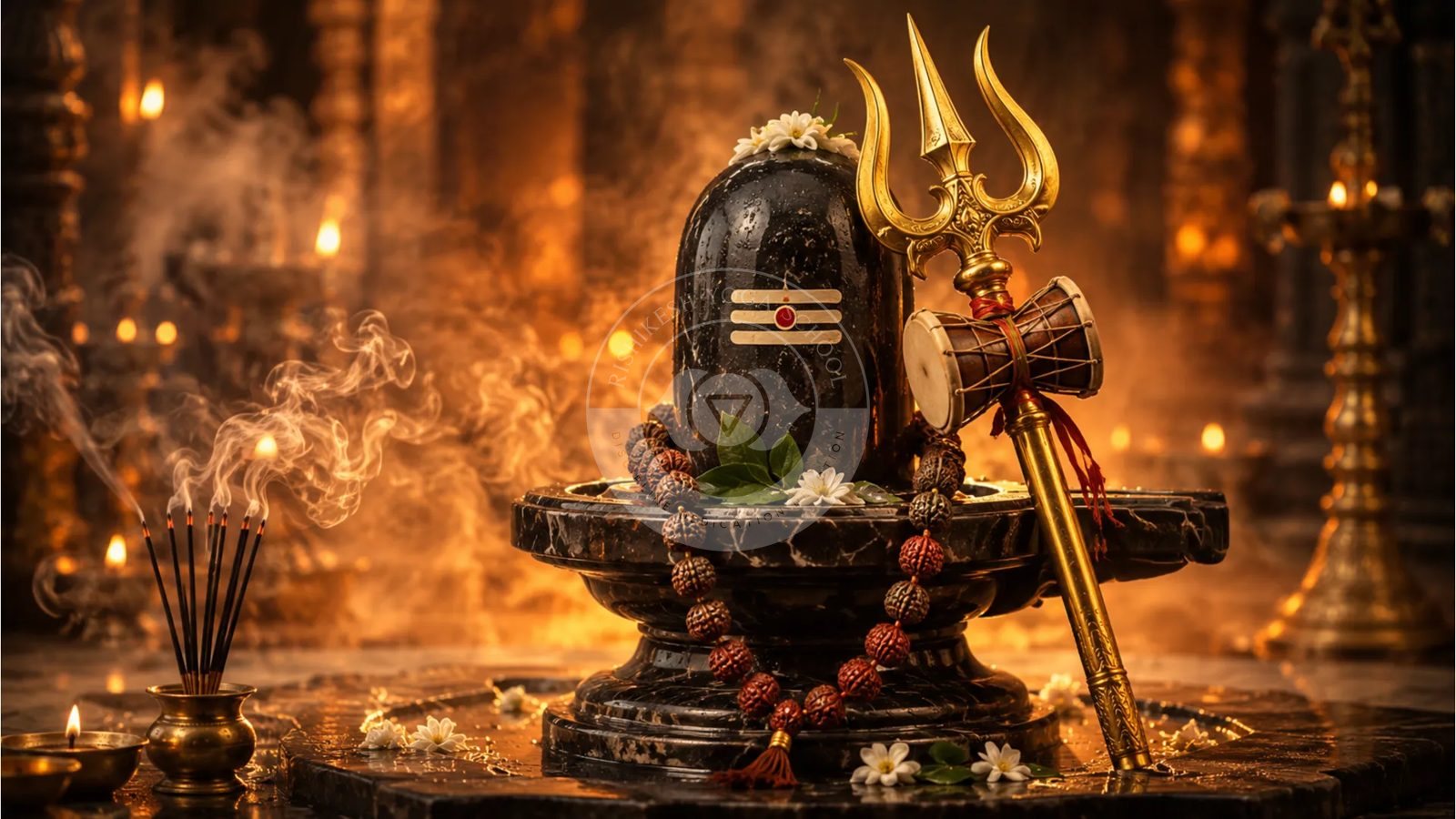
Namaste. When new students arrive at our school, I sometimes ask them a simple question on the first evening: what is yoga? Most answer with the body — postures, flexibility, fitness. It is an honest answer, and it is where nearly everyone begins. But it is a little like saying the ocean is its waves.
The definition that changed everything
Over two thousand years ago, the sage Patañjali opened the Yoga Sūtras with a definition of startling brevity: yogaś citta-vṛtti-nirodhaḥ — yoga is the stilling of the fluctuations of the mind. Notice what is absent: no posture, no flexibility, nothing about touching your toes. The entire science aims at the mind. The body is the instrument, never the destination.
When the mind’s turbulence settles, says Patañjali, the seer rests in their own true nature. This is the promise of yoga — not a better body, but a clear mirror.
Why the postures exist at all
If yoga is about the mind, why do we practise āsana at all? Because body and mind are not two things. A restless body houses a restless mind; a body seated in steadiness invites the mind toward stillness. The Haṭha tradition — the lineage we teach — prepares the body not for performance, but for meditation. Every posture is ultimately practice for sitting quietly.
“Yoga is the stilling of the fluctuations of the mind. The body is the instrument — never the destination.”
The eight limbs, briefly
Patañjali maps the journey in eight limbs: yama and niyama — the ethical foundation; āsana — steadiness of body; prāṇāyāma — mastery of breath; pratyāhāra — drawing the senses inward; dhāraṇā — concentration; dhyāna — meditation; and samādhi — absorption, union. Modern practice often begins and ends at the third limb. Traditional training walks all eight.
What this means for a modern practitioner
You do not need to renounce the world to practise real yoga. You need only shift the centre of gravity of your practice: from how the posture looks to what happens in the mind while you hold it. The same Trikoṇāsana can be gymnastics or yoga — the difference is awareness.
Begin simply. Tomorrow, choose one posture and stay in it a little longer than usual. Watch the breath. Watch the urge to leave. Watch who is watching. That small act of witnessing is more “advanced” than any arm balance.
Living the answer
At our ashram by the Ganga, this question is not answered in a lecture. It is answered slowly — by sunrise prāṇāyāma, by silence at meals, by the river’s patience. Students arrive asking it with the head and leave answering it with their lives. If the question stirs something in you, come sit with it by the river — through our 200 Hour training or a simple retreat.
Hari Om Tat Sat,
Renu Singh